
Posts in Linked

TouchPad Updated for iOS 7

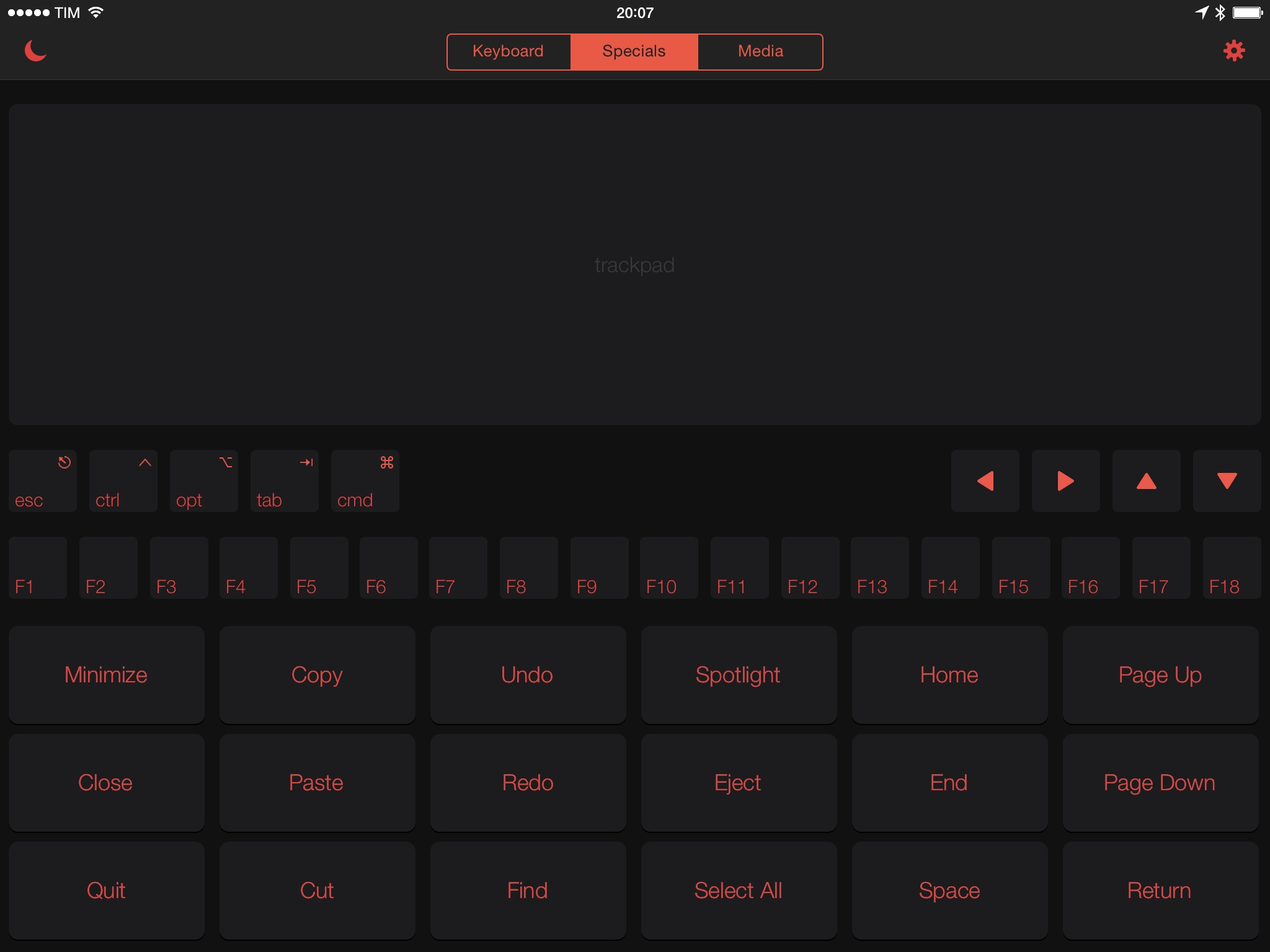
One of my all-time favorite apps for iOS, TouchPad, has been updated today with an iOS 7 redesign, a new dark theme, and performance improvements.

I’ve been using TouchPad since 2010 (here are our first reviews of the iPhone and iPad versions) as it’s a great way to turn an iOS device into a wireless keyboard/trackpad/media controller for your Mac. The setup is easy, the app is focused on basic features with no complications, and it saved me on several occasions when my keyboard’s batteries died and I couldn’t type anything on my computer (such as my login password).

Edovia, the original developers of TouchPad, stopped maintaining the app a while ago, which meant that TouchPad didn’t get an iOS 7 refresh back in September. The folks at MartianCraft, however, have acquired TouchPad and are now in charge of its development, which is good news. I’m happy that TouchPad is back.

TouchPad 5.0 is available on the App Store.
Permalink

Jason Snell’s Hands-on with OS X Yosemite

In his first hands-on with OS X Yosemite, Jason Snell points out an issue with the redesigned title bars that no longer show a title:

I have to admit I’m also a little nonplussed about the disappearance of titles from the top of many windows. In apps that never really have more than one important window (Calendar and Maps come to mind), the title is unnecessary; labeling my Calendar window with the word Calendar seems pointless. But in many other contexts, the title of the window imparts important information, and there’s a danger that some of that information could be lost if Apple takes this approach too far. It’s something worth keeping an eye on, especially given the radical changes Yosemite has in store for Safari.

I’ve been trying the first Yosemite beta on my MacBook Air, and I find it annoying that Safari doesn’t show the title of a webpage (just the domain in the address bar) when a single tab is open. It’ll be interesting to see if third-party apps will switch to this integrated toolbar approach with no separate area for a title.

Permalink

Manage Your Day-to-Day Tasks with Igloo [Sponsor]

You’ve heard that task management is coming to Igloo with their next release – but how is another task management system actually going to help get work done?

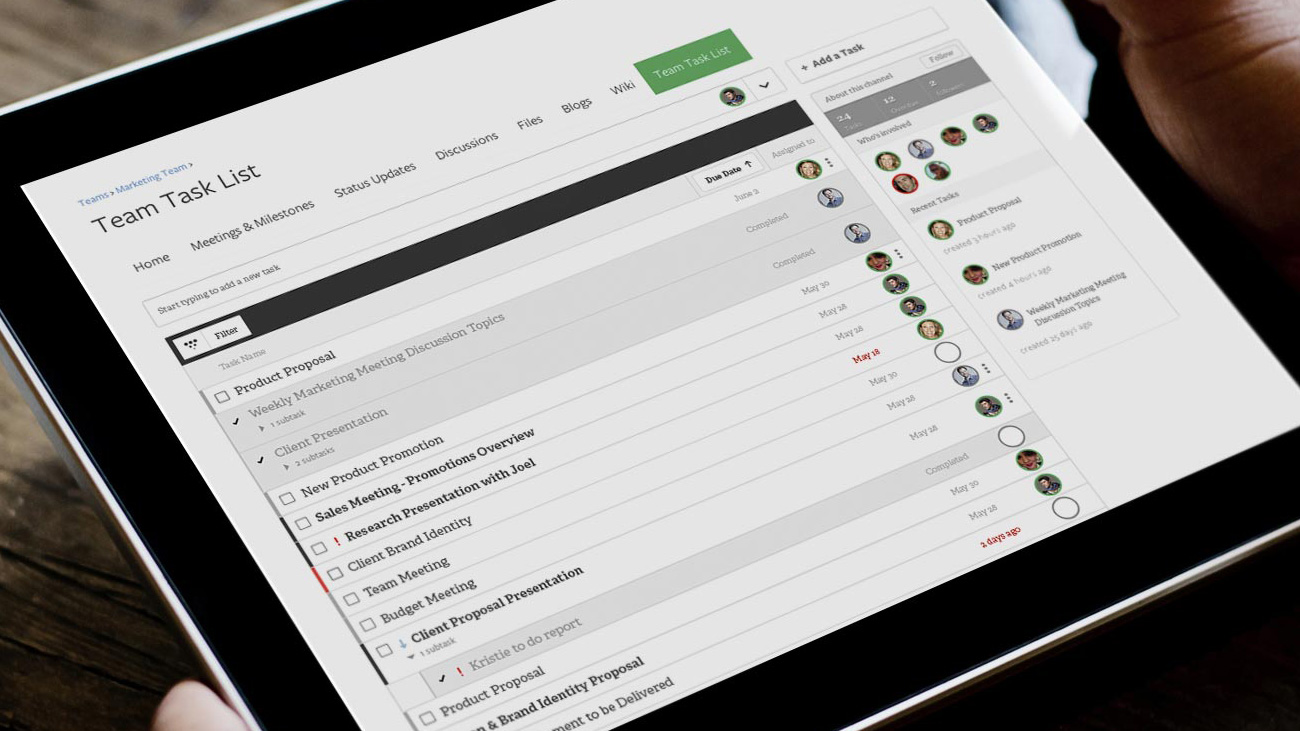
Think about all the tasks you do that aren’t part of a specific project: updating a graphic in a presentation, requesting text get corrected in a Word document, or delegating to-do’s after a meeting. Igloo makes this easy by keeping these tasks with your content.

When you view a document, blog, event, forum, or wiki inside your Igloo, you can add a task right there. You don’t need a project or list (but you can use those, too). These tasks show up on your content, informing your team if document needs edits or if it’s ready to go to the client. Content tasks are particularly great for recurring meetings; when you view tasks assigned in last week’s meeting, it’s easy to see what was completed and what wasn’t.

And when you’re the one assigned tasks? Whether it’s on a project list, on content, or a personal task, all of your tasks show up in one view. It’s the easiest way to manage your day-to-day work. Tasks are a free for all Igloo customers, coming this summer as part of Igloo’s latest update, Unicorn.

Our thanks to Igloo for sponsoring MacStories this week.

Permalink

Directional: E3 2014

This week Federico and Myke do their best to cram in as much E3 news as possible. They discuss some of their favourite game announcements from the show and their overall impressions of each company’s offerings.

In our special Directional episode for E3 2014, we try to mention all the games that caught our interest and we consider some of the general themes and trends of the show. Get the episode here, and don’t miss the show notes.

Permalink

Only Apple

Fantastic article by John Gruber on Apple’s WWDC and the state of the company. I particularly enjoyed his thoughts on Tim Cook’s Apple:

The same maestro who was able to coordinate the procurement, assembly, production, and shipment of 76 million all-new iPhones and iPads in one quarter has brought those operational instincts and unquenchable thirst for efficiency to coordinating a Cupertino that can produce major new releases of both iOS and OS X, with new features requiring cooperation and openness, in one year. They’re doing more not by changing their thousand-no’s-for-every-yes ratio, but by upping their capacity.

Permalink

The Prompt: Koala Consortium

This week Stephen leaves Federico and Myke to celebrate The Prompt’s first anniversary on their own. However, they have the help of David Smith to discuss the App Store after WWDC—as well as a whole host of follow-up and fun.

For The Prompt’s first birthday, we invited the good Underscore and discussed his wishes for a better App Store after Apple’s announcements at WWDC.

You can get the episode here, and I would like to thank everyone for listening in the past year. Here’s to many more episodes.

Permalink

Learning from iOS 8’s iMessage Changes

Scott Hurff put together a good overview of the changes in the Messages app for iOS 8, nicely illustrated with animated GIFs. He concludes that Messages for iOS 8 shows Apple has considered the ways their customers use the app and iterated accordingly:

Apple’s iMessage announcements can teach us a lot about the value of knowing our customers. It’s not enough to build products based on rumor, anecdote or speculation. We have to know exactly how and why our customers do what they do, and in what context they’ll be using our products.

Messages was especially lacking in terms of attachments and group conversations, and I’m glad to see that fixed.

I was initially surprised to see voice messages getting such a prominent spot in the app but, considering how popular audio snippets are among WhatsApp users, I think the addition makes a lot of sense.

Permalink

iOS 8 APIs

Mattt Thompson:

The announcements from iOS 8 & OS X Yosemite alone would have made 2014 a bellwether year for the Apple platform, with Extensions, Continuity, SpriteKit enhancements, SceneKit for iOS, Metal, Game HealthKit, HomeKit, Local Authentication, and a brand new Photos framework. Not to mention the dramatic improvements to Xcode & Interface Builder, a revamped iTunes Connect, TestFlight, Crash Reports, and CloudKit. And oh yeah—Swift.

The kicker? Apple has graciously relaxed its NDA for new technologies, meaning that we don’t have to wait to talk about all of the shiny new toys we have to play with.

This week, we’ll take a look beneath the headline features, and share some of the more obscure APIs that everyone should know about.

If you’re a developer, this is an excellent look at some of the “obscure” APIs that Apple is including with iOS 8 but that they didn’t mention publicly last week. I’m particularly interested in the possibility to share tasks between apps and the fact that GPS metadata can be easily excluded from images (I use an app for that). The improvements to M7-powered data are also impressive.

Permalink

iOS 8 Improvements for Education

Fraser Speirs, writing at Macworld, has an overview of why iOS 8 will bring important improvements for education:

Overall, I’m delighted that iOS has come out of a slightly awkward stage in its development. iOS 6 and iOS 7 really didn’t move the platform forward in substantial ways that had obvious impact on users. iOS 8 promises to take the experience of the serious iOS user to a whole new level. I can’t wait to see what developers do with it.

For context, Speirs implemented the first whole-school, one-to-one iPad program – also featured by Apple.

Permalink