

[[stephen]] Sixteen years ago, Steve Jobs introduced the Digital Hub, a strategy that put the Mac in the center of a universe populated with music players, digital cameras and camcorders. In this era, Mac apps like iTunes, iPhoto, iMovie and iDVD sprang to life, letting users create, edit and share their content with an ease-of-use...
The Long-Lived iPad 2
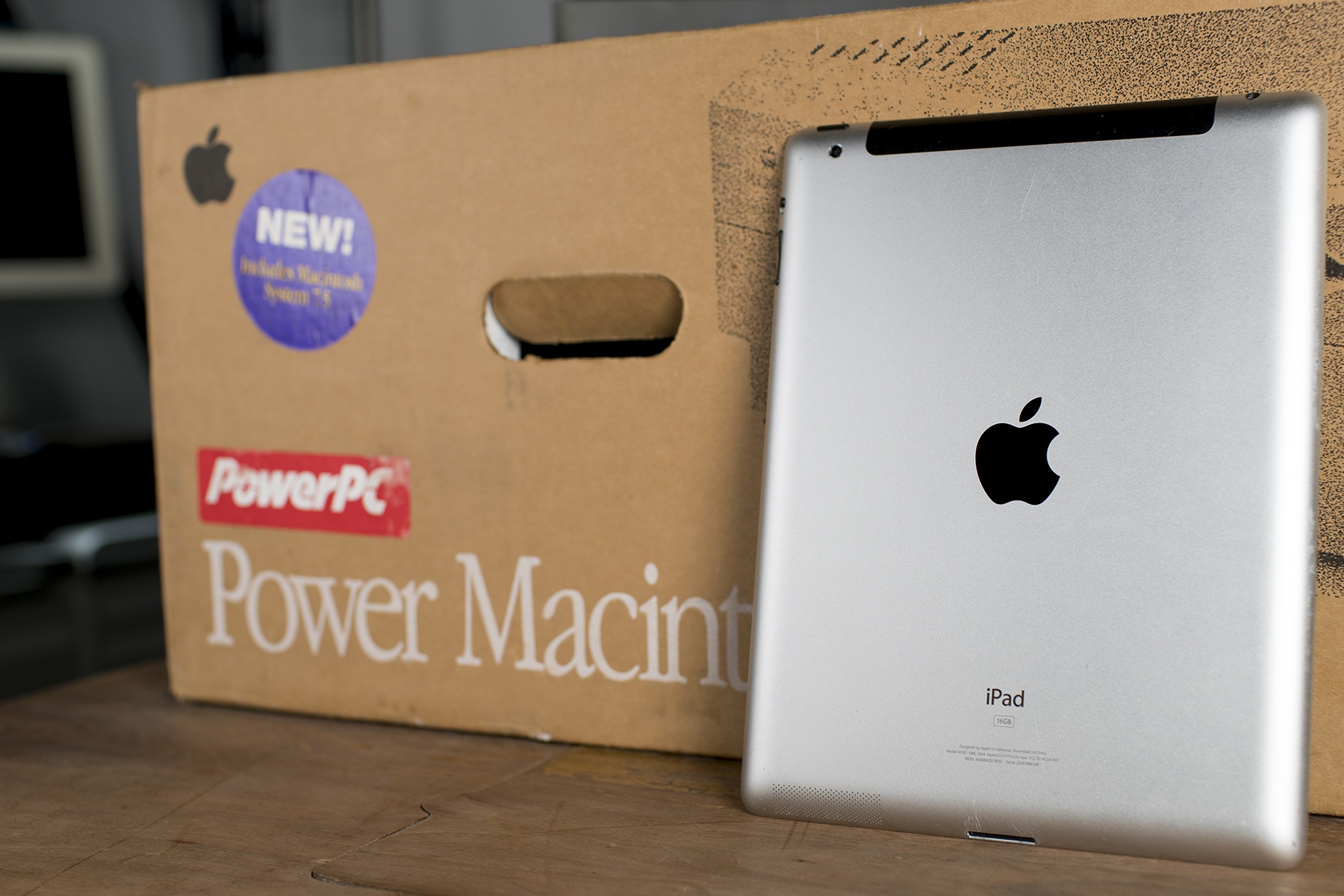
Every once in a while, an Apple device comes along that sticks around for a while without an update.
Jokes about the “current” Mac Pro aside, one such device that comes to mind for me pretty quickly is the iPad 2, introduced back in March 2011. It was finally taken off the market three years later.
While that doesn’t seem remarkable today, it was an eternity when it came to iOS devices at the time. The iPad 2 was one of the first devices Apple kept around to fill a lower price point on its product matrix.
But let’s not get ahead of ourselves quite yet.
 Time Machine
[[stephen]] I write a lot about Apple history, and I tend to focus on products when I do, but picking apart hardware and software isn’t the only way to look back. So, let’s fire up the time machine and see what Aprils past brought to the Apple universe. April 1976: Apple I April 1 is...
The Taming of the iBook
Last month, I took a look at the Clamshell iBook G3, the most colorful notebook Apple ever made.
The Clamshell saw just one speed bump, and was replaced in less than two years. The second-generation iBook introduced the form factor most people think of when they think of the notebook:
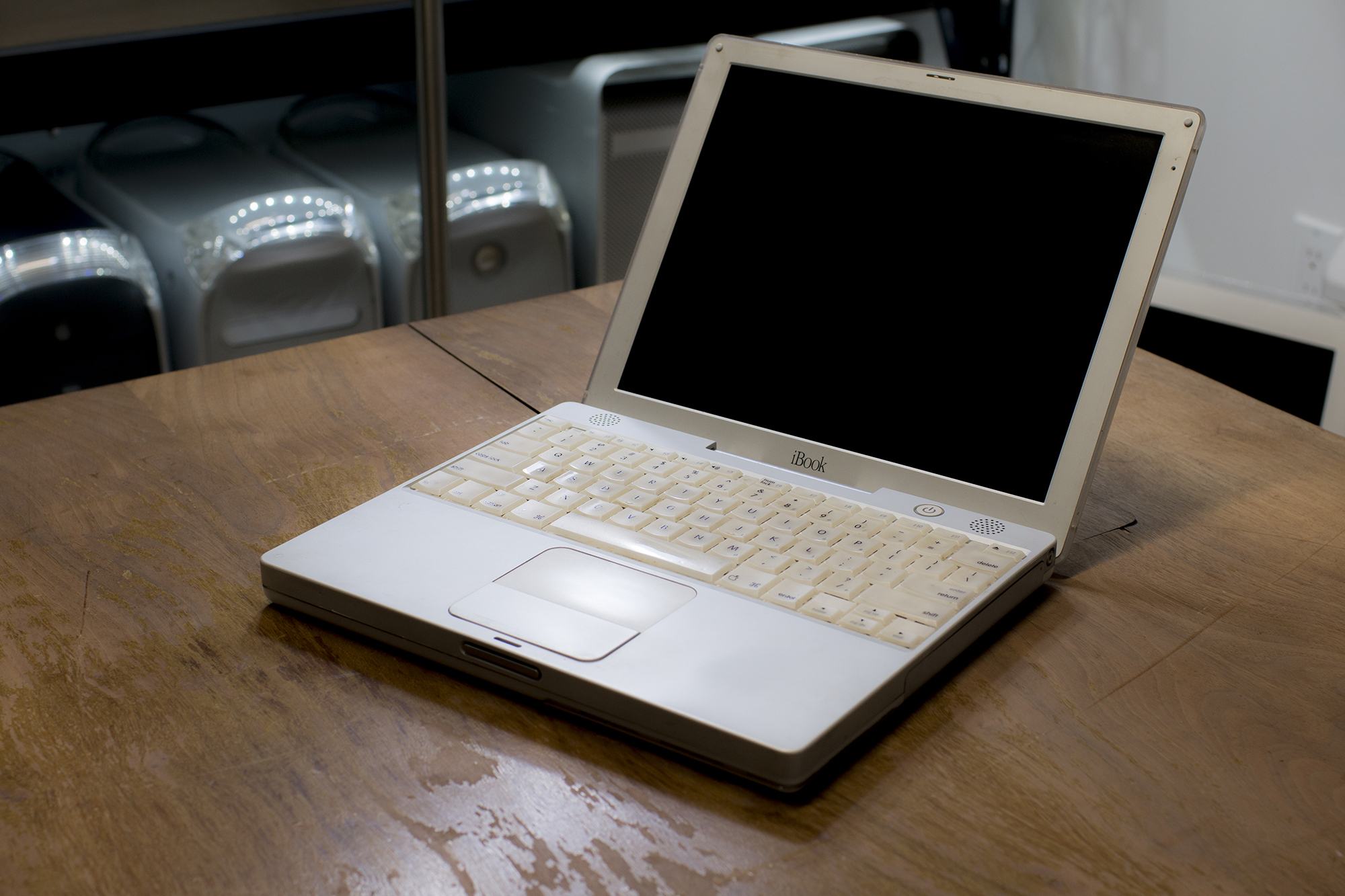
The Clamshell iBook G3
Close your eyes and picture a Mac laptop. It has a small screen in a case unique among a sea of PC notebooks. It runs without a fan, and has impressive battery life. The trackpad is smooth and the keyboard is responsive.
Now open your eyes. Is this what you had in mind?

Let’s talk about the original “Clamshell” iBook.
A Few of My Favorite Apple Displays
Over the last 37 years, Apple has shipped 46 different models of standalone display.
The first was the Apple Monitor III, a green phosphor CRT built for use with the ill-fated Apple III.1
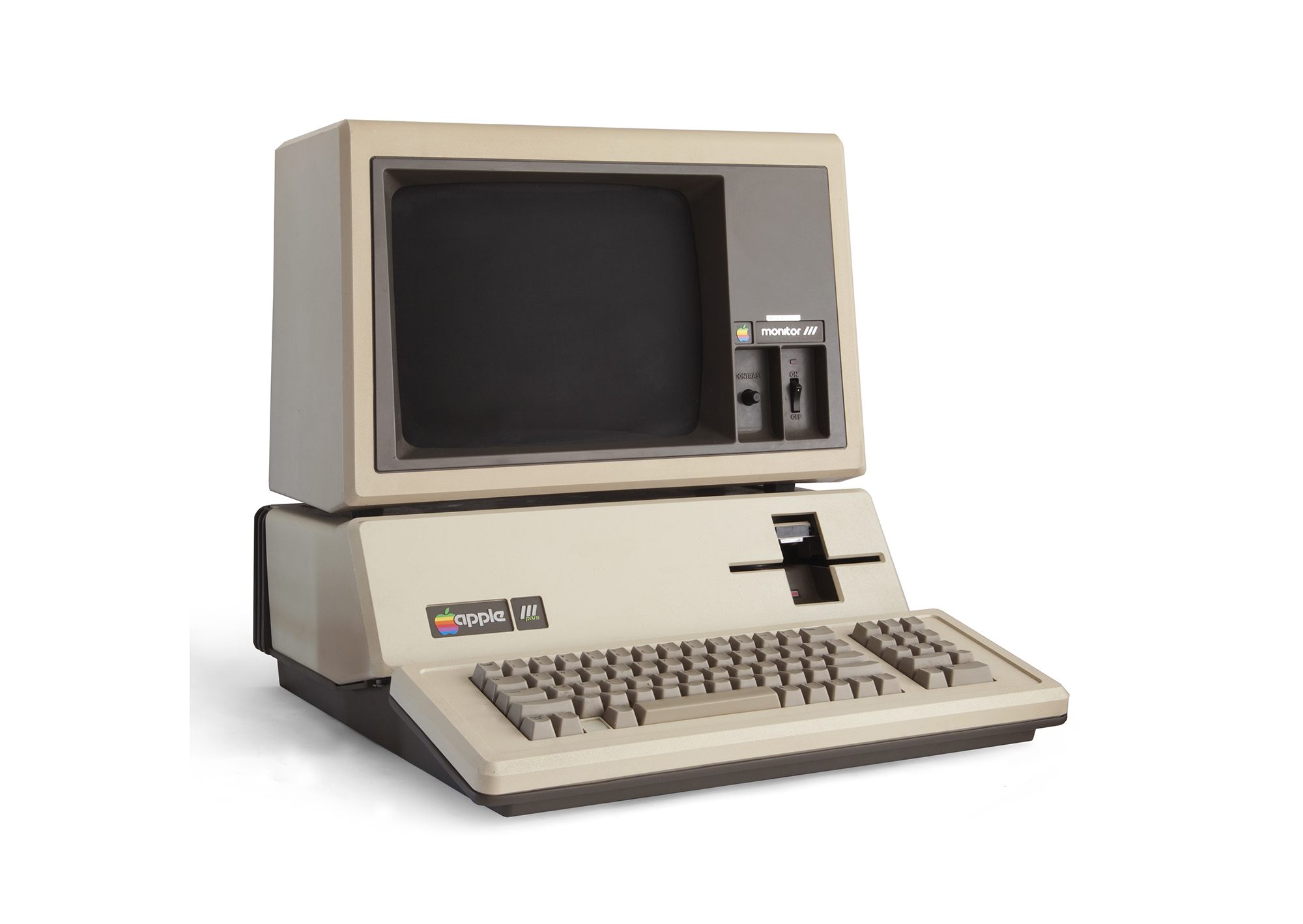
image via Wikipedia
The Apple Monitor III kicked off a long line of displays, but it’s not all that interesting. Let’s take a look at some of the standouts in a sea of forgettable beige products.
The Mac mini Family Tree
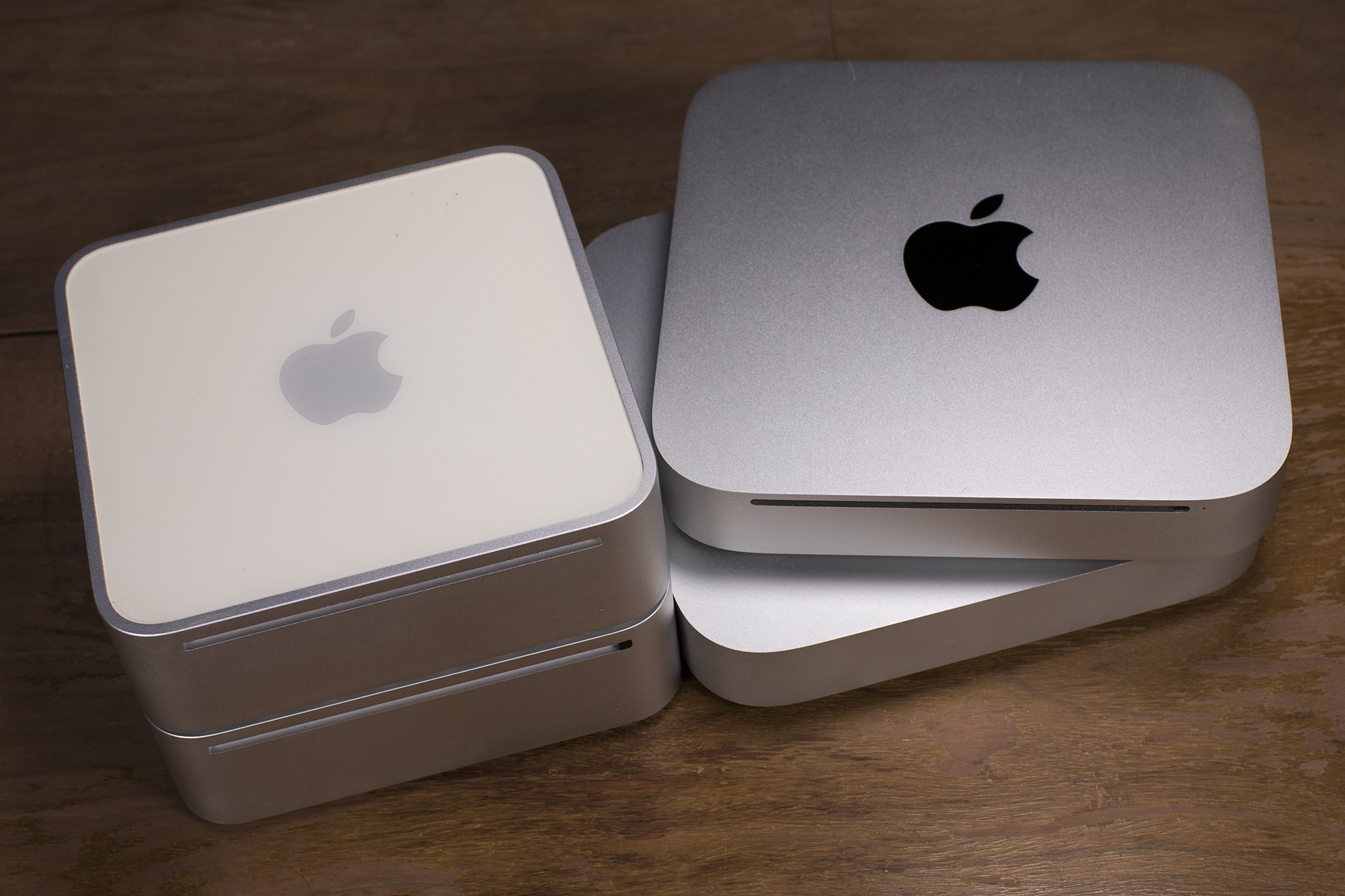
“The Mac mini is BYODKM,” Steve Jobs said, in front of a crowded and slightly confused audience at Macworld 2005.
“Bring your own display, keyboard and mouse,” he continued. “We supply the computer, you supply the rest.”
The Mac mini was designed to lure switchers to the platform. A new customer could simply unplug their desktop PC and hook a new Mac mini up to their existing peripherals.1
The original machine started at just $499, making the Mac mini the lowest-cost Mac Apple has ever sold.
The Businesses Apple Has Left Behind
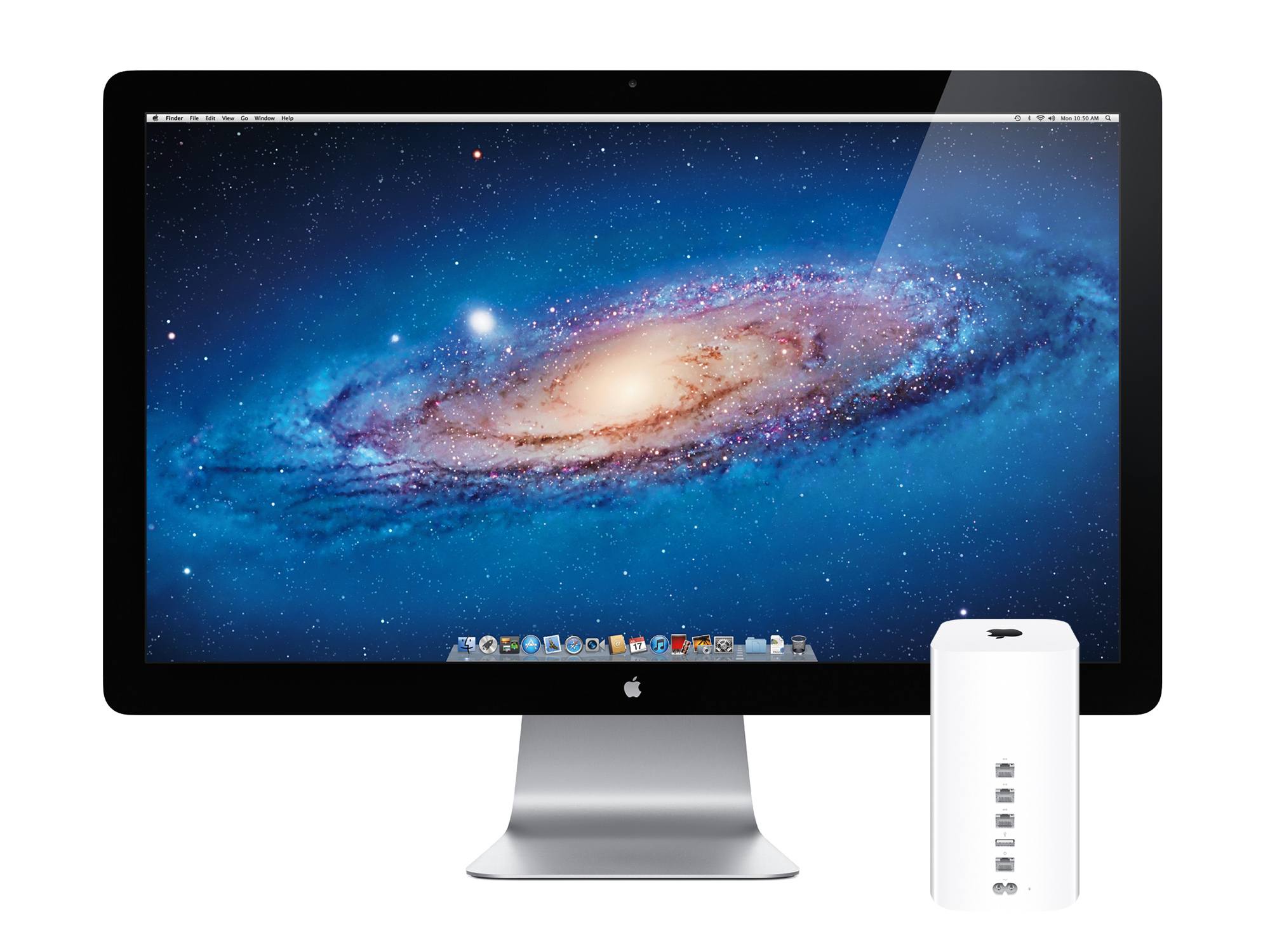

This year, Apple has exited the external display business and is rumored to be discontinuing its AirPort wireless routers.
These developments have left a bad taste in many users’ mouths, but 2016 isn’t the first time Apple has shuttered an entire product line.
By my count, there are five major categories of products or devices that Apple has abandoned over the years.
Beyond the Touch Bar: Apple Should Bring Pencil Support to the Mac
[[stephen]] From the first multitouch trackpad introduced years ago to the newly-minted Touch Bar, Apple has slowly been adding gestures and touch to the Mac. It’d be easy to consider the Touch Bar the end game when it comes to adding iOS-like gestures and flexibility to the bottom half of the MacBook line. I believe...