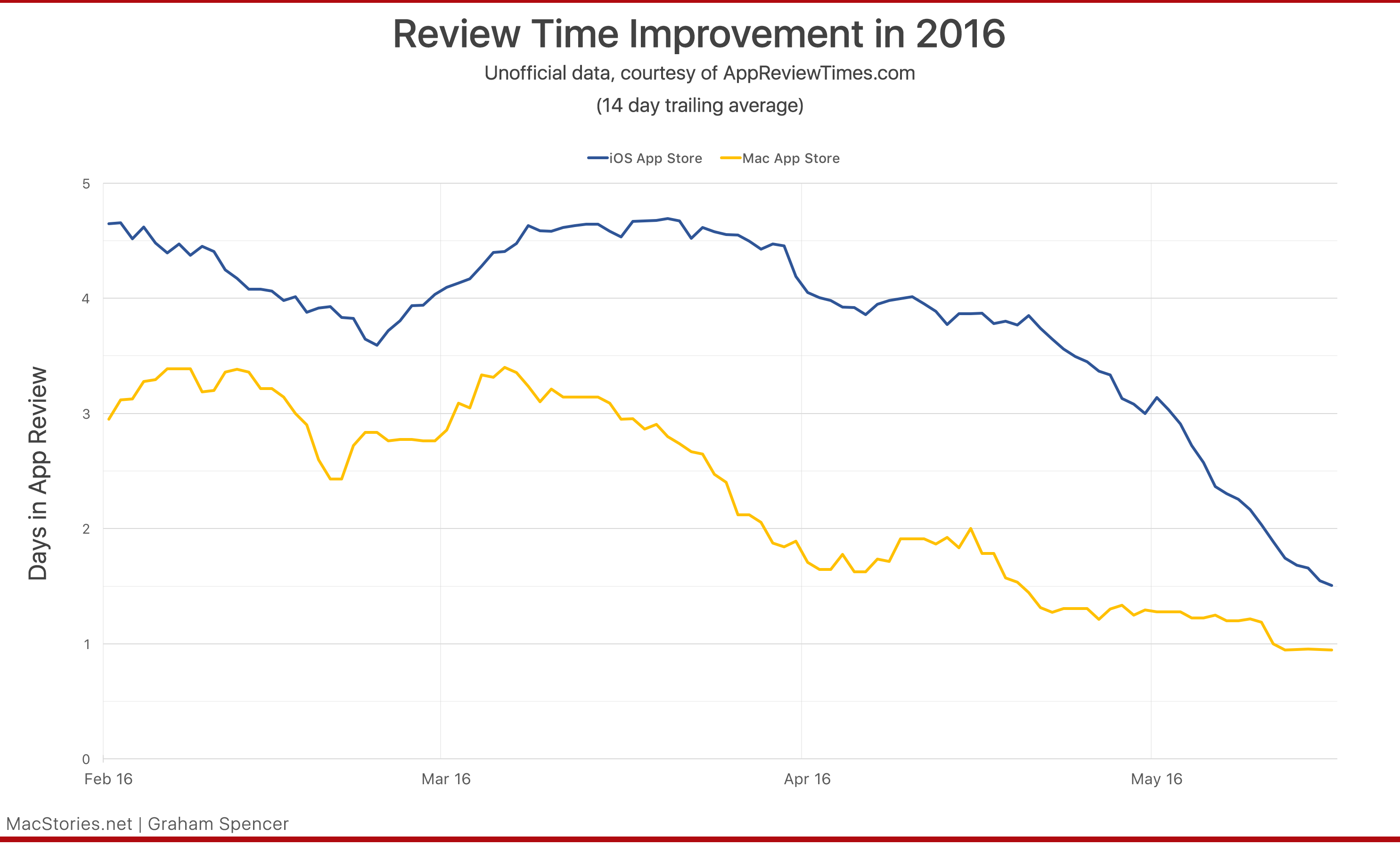
As many have noted this month, including Bloomberg, App Review has been processing app updates at a much quicker rate than usual. In the past week the average time for an iOS app to be approved by App Review has fallen to just 1.5 days. Apple itself doesn’t publish times, but there is unofficial crowd-sourced data at AppReviewTimes.com.
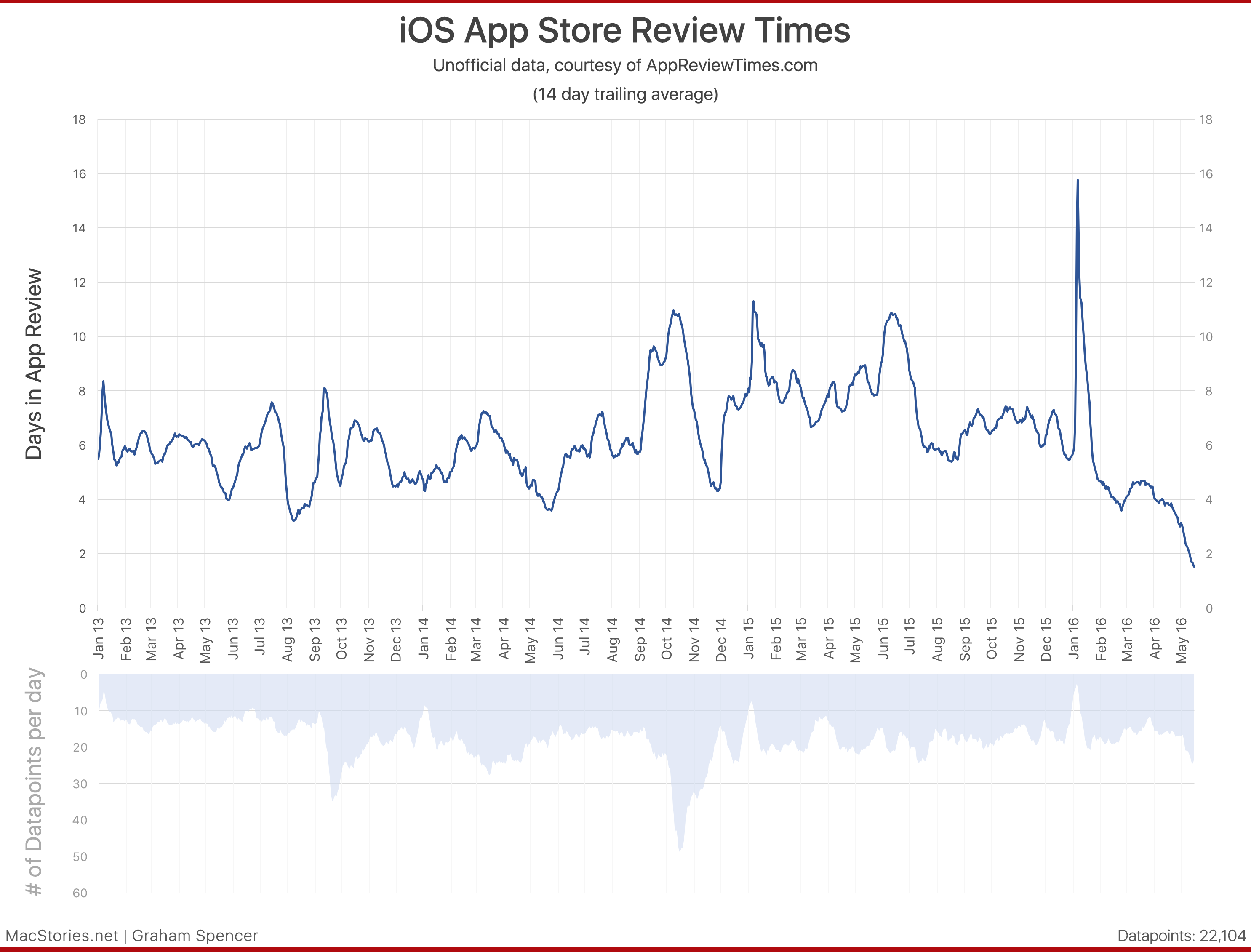
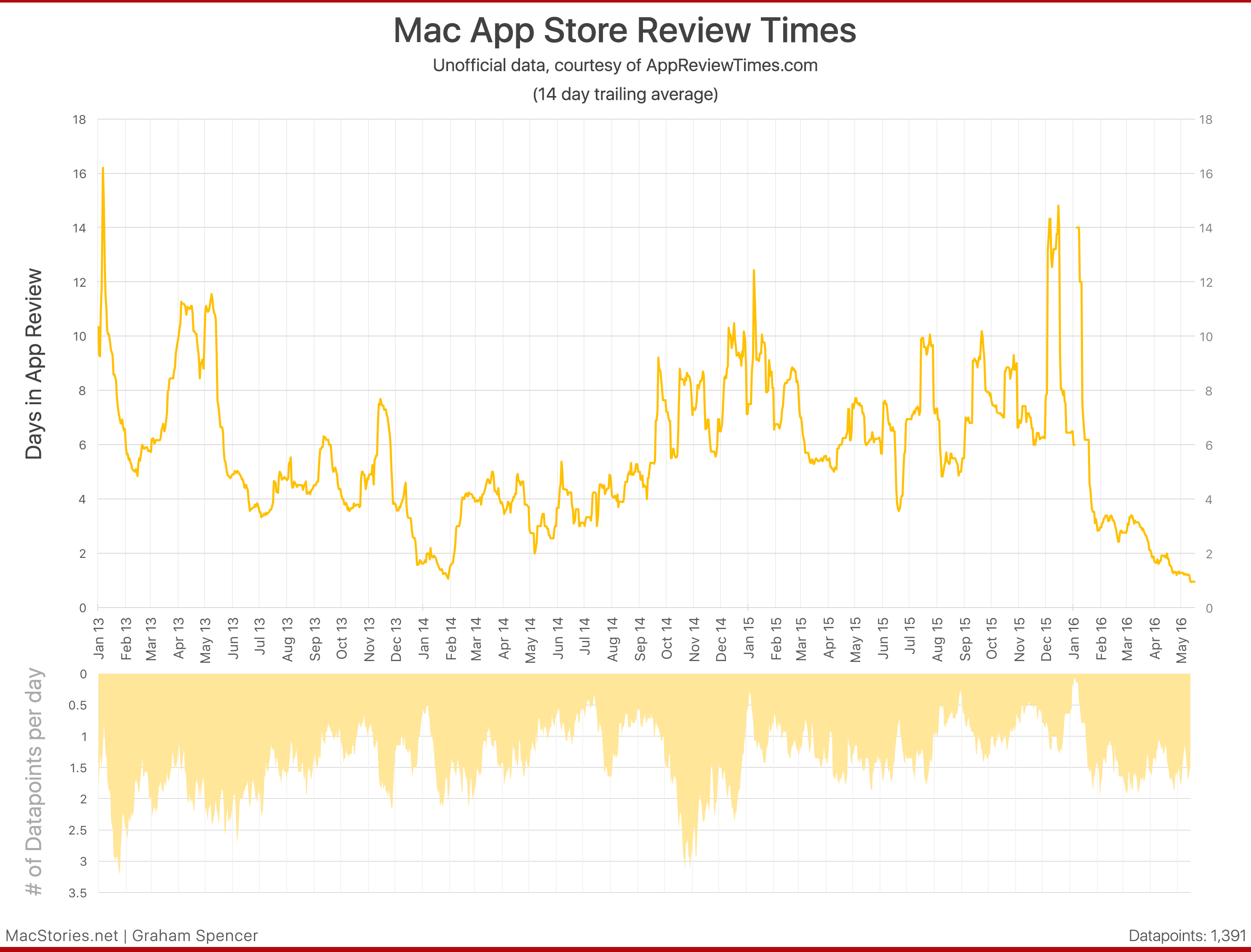
Dave Verwer of AppReviewTimes.com was kind enough to share the raw data with MacStories, and we produced the above and below charts which provide some visual context and demonstrate just how out of the ordinary the recent improvement in App Review time is. It is too early to say conclusively, but given the extent of the reduction (and the sudden nature of it), I think it is fairly safe to guess that Apple has made some internal changes in order to improve the speed of App Review.
Data courtesy of AppReviewTimes.com
Data courtesy of AppReviewTimes.com
Earlier this year we published an extensive survey which detailed a number of frustrations that developers had with App Review, and suggestions for how Apple could improve App Review. At the top of that list of developer frustrations was the slow speed of App Review, with 78% saying it was bad or terrible.
Apple today announced an update to GarageBand that celebrates the rich history of Chinese music with new instruments and extensive Chinese language localization throughout the app. Building on GarageBand’s extensive collection of sounds, this update adds traditional Chinese instruments — the pipa, erhu and Chinese percussion — along with 300 Apple-created Chinese musical loops, giving users the power to tap into their creativity and make beautiful Chinese-inspired music right on their iOS device or Mac. GarageBand for iOS users also get two new Chinese templates for Live Loops, and new sharing options to popular Chinese social networks, so they can easily share their music creations with friends and followers across QQ and Youku.
There’s also a video of Tim Cook and Chinese musician JJ Lin making some music with these new Chinese instruments in GarageBand.
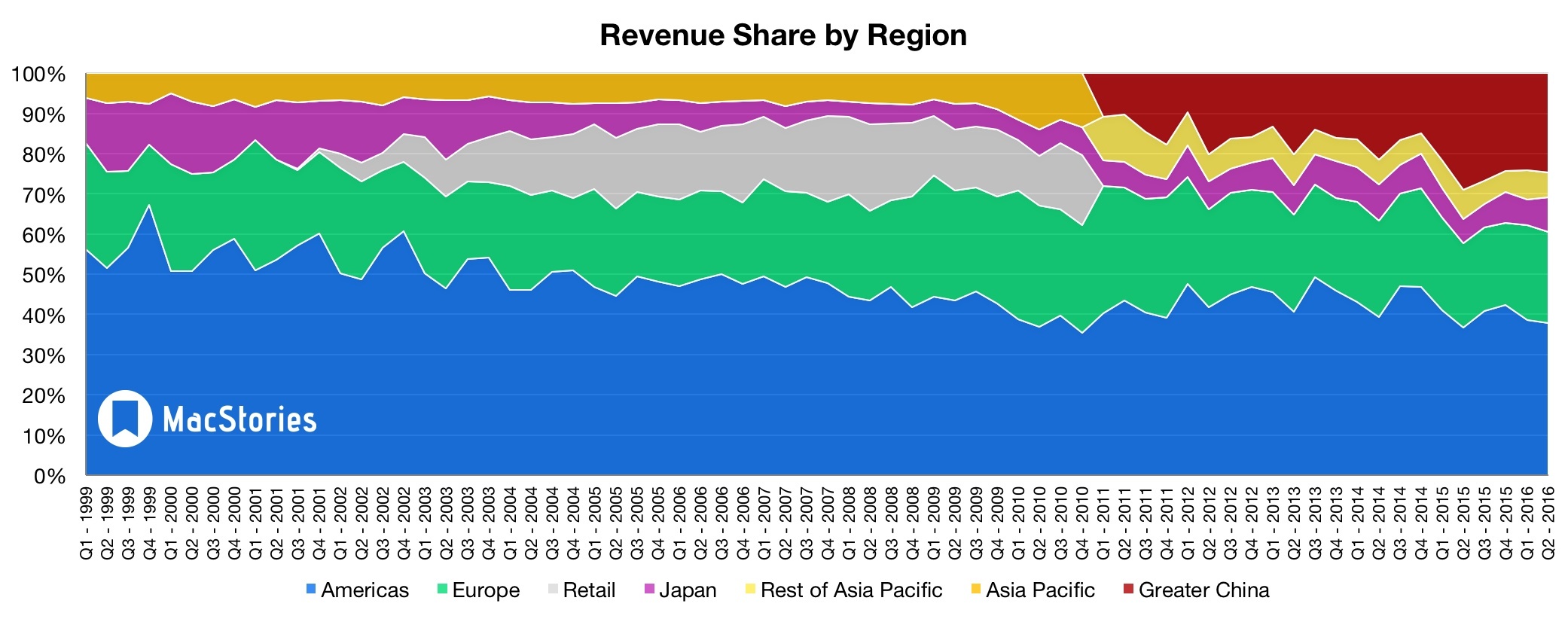
There’s no doubt that this is a very nice update to GarageBand which will be appreciated by many millions of users in China and around the world. But what I find even more interesting is that Apple took the time to publicize the update in a press release. It’s yet another example of Apple’s strong efforts in courting Chinese users and the Chinese government as the region becomes even more important to Apple’s future.
Below the break I’ve listed every single press release from Apple since the beginning of May last year and you’ll notice that five press releases are dedicated to China-specific announcements (in bold). The only other country-specific announcements are the UK Apple Pay announcement and Europe’s first iOS App Development Center in Italy.
Question: I recently revisited Twitter Clients in 2014 and after all its turmoil, it’s still a good read. I wonder your perspective on the official Twitter client changed since then. (Jung)
[[graham]] Duet Display is an ingenious app that allows you to use your iPad (or iPhone) as an additional monitor for your Mac or PC. I must admit, when I first heard about it, I thought it was a neat idea, if a little gimmicky. But having now used it on a number of occasions,...
TechCrunch’s Sarah Perez reports that Apple has today introduced a new student subscription plan for Apple Music which cuts the cost of the subscription to just $4.99 per month.
The option isn’t just arriving in the U.S., though. Students in other countries, including the U.K., Germany, Denmark, Ireland, Australia, and New Zealand, will also be able to take advantage of the new membership option.
However, because Apple Music is priced slightly differently in other markets, the cost of the student membership will vary. But in all markets, it will be 50 percent off the standard subscription price.
This is a smart move to boost subscription numbers. At just $5 per month, Apple Music becomes a really good deal - even for cash-strapped students. The new student subscription plan is available from today, but it does require you to verify that you are a student.
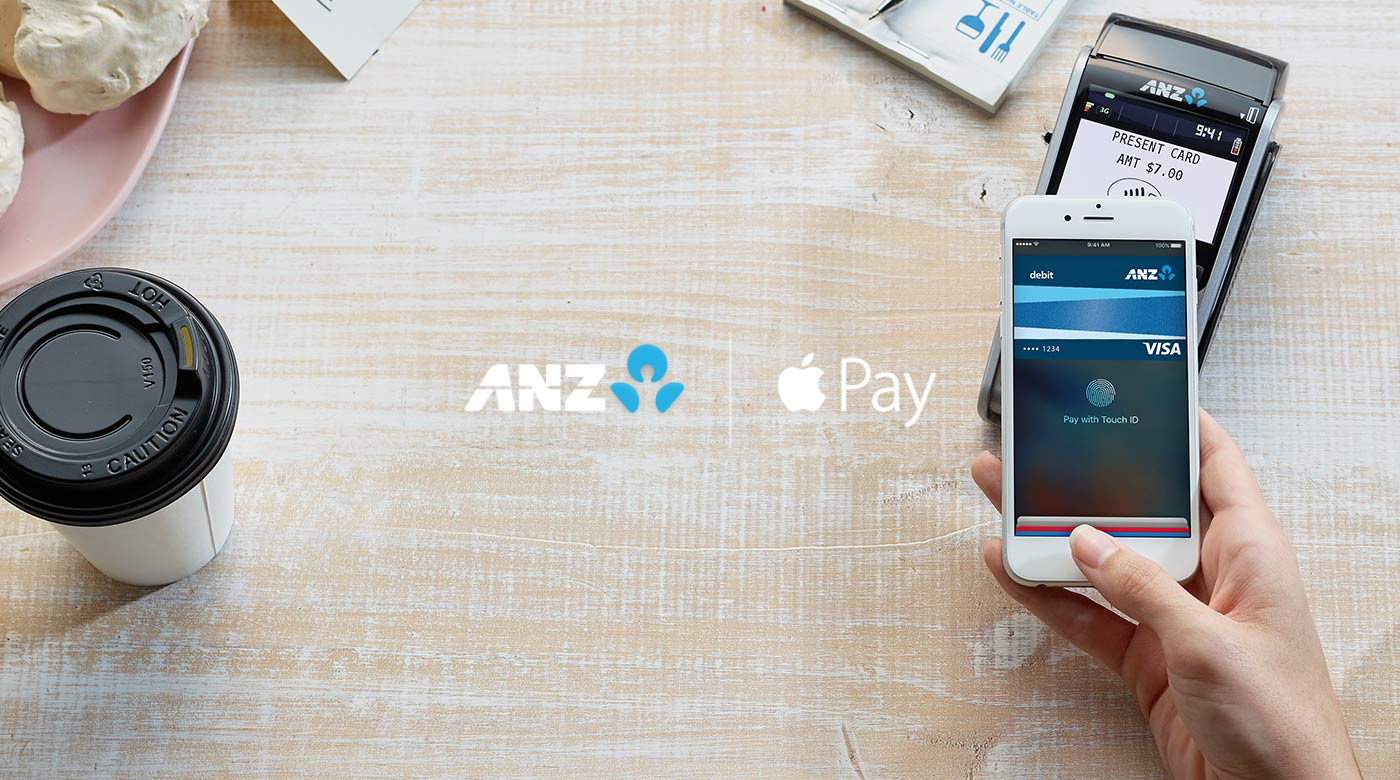
ANZ has become the first Australian bank to support Apple Pay, turning on support today for most customers with ANZ Visa credit or debit card and ANZ American Express cards. Although Apple Pay technically launched in Australia in November 2015, until today support was extremely limited to just those with an American Express issued card (a similar situation exists in Canada and Singapore).
ANZ is one of the “big four banks” in Australia, and as ANZ gleefully (I assume) point out in their Apple Pay terms and conditions, the other three do not support Apple Pay:
Apple Pay is not currently available at NAB, CommBank or Westpac.
It is interesting to note that most of ANZ Visa cards are supported, but no ANZ MasterCard cards are supported. Interestingly, last week’s launch of Apple Pay in Singapore revealed that Visa support for Apple Pay in Singapore is coming soon to three of their domestic banks.
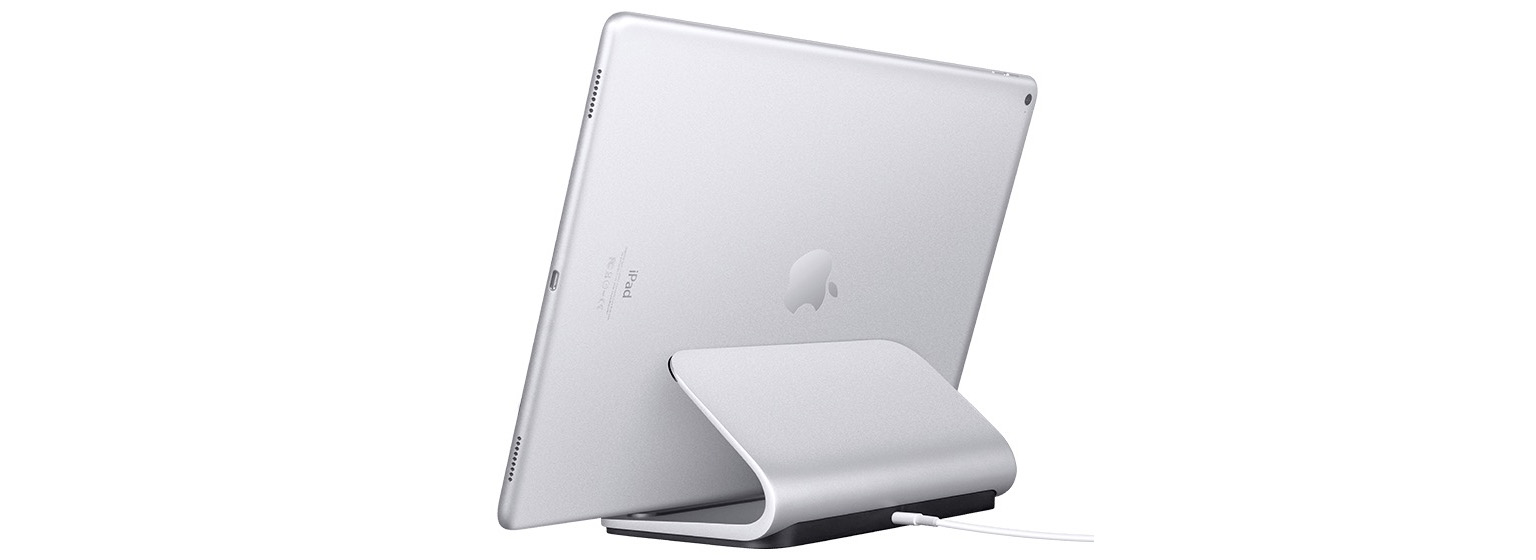
Logitech have today introduced a new charging dock for the iPad Pro. The Logi Base is rather unique in that it uses the iPad Pro’s Smart Connector to charge the device. To date, the Smart Connector has only been used by Apple’s Smart Keyboard and Logitech’s keyboard case.
The minimalist looking dock will work with both the 9.7” and 12.9” iPad Pro, with magnets on the Logi Base helping guide the iPad Pro into the correct position for charging via the Smart Connector. Using the 12W power adapter and no apps running, Logitech advises that it will take 7 hours to charge the iPad Pro. The stand places the iPad Pro at a 70-degree viewing angle, and it is compatible with the iPad Pro Silicone cases from Apple.
The Logi Base is available to order from today for $99 from Logitech’s website. If you’re looking for more information, Chance Miller at 9to5Mac has a review of the Logi Base.
I’ve just been using my iPad Pro Smart Keyboard as the “dock” for my iPad, but I’m really tempted by the Logi Base. It looks really elegant and just being able to drop the iPad down onto the dock, without fiddling with a lightning cable, would be great. But the lengthy charge time and hefty price are dampening my enthusiasm.
Question: I switched to iOS from Android last September but I feel like I still just don’t understand the App Store’s refund policy. I don’t feel incentivized to try out new apps because it doesn’t seem like Apple has any kind of standard protection for if you simply don’t like an app you just purchased....
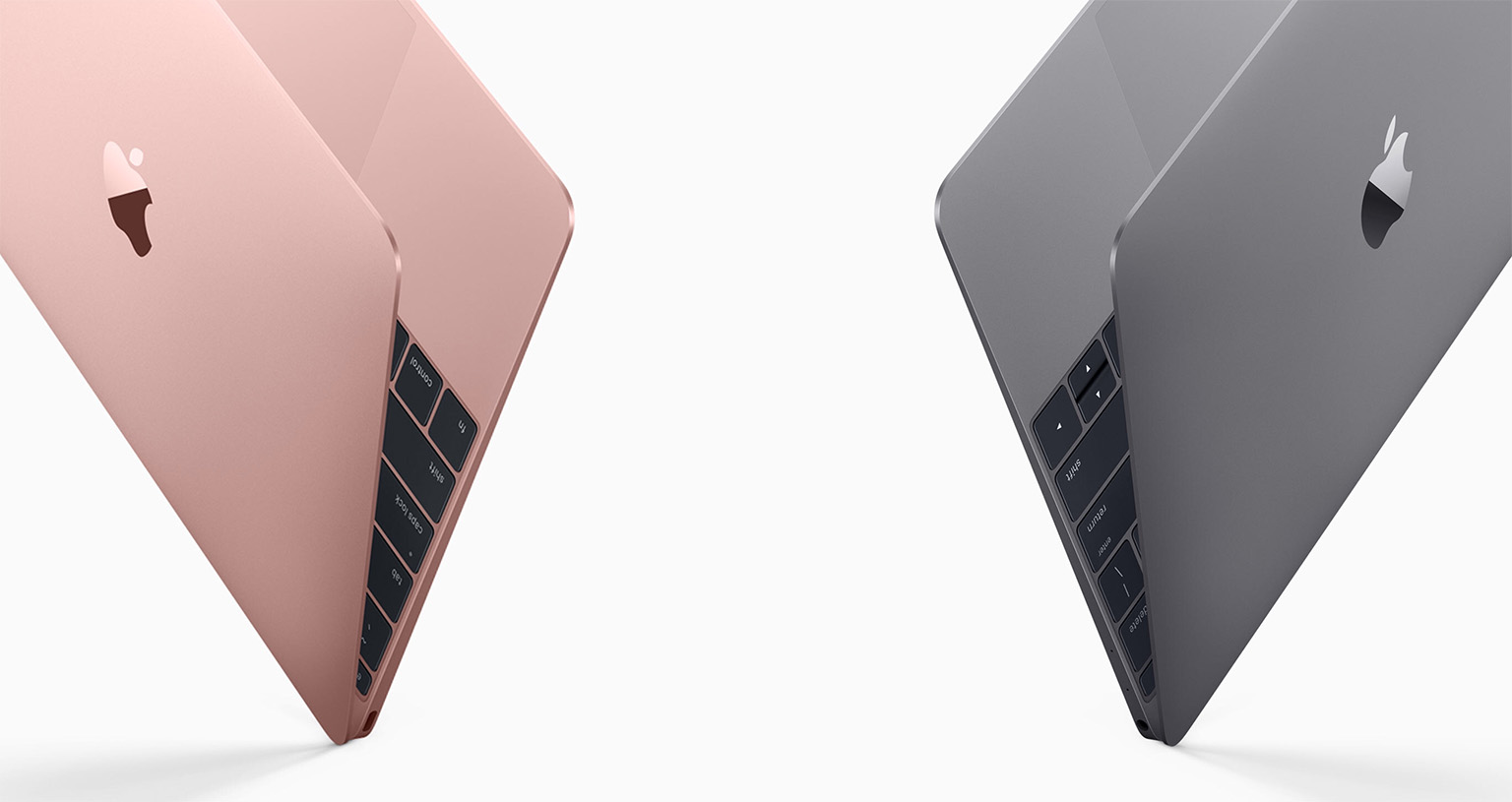
Apple has today updated its MacBook line with faster processors, an extra hour of battery life and the option to pick a Rose Gold finish. The MacBook now comes with the sixth-generation dual-core Intel Core M processors that go up to 1.3GHz, with Turbo Boost speeds up to 3.1GHz. It also now comes with faster PCIe-based flash storage and faster 1866MHz memory.
“MacBook is the thinnest and lightest Mac we have ever made and it’s our vision for the future of the notebook,” said Philip Schiller, Apple’s senior vice president of Worldwide Marketing. “Customers are going to love this update to MacBook, with the latest processors, faster graphics, faster flash storage, longer battery life and a beautiful rose gold finish.”
Graphics performance has also been improved by up to 25 percent on the refreshed MacBooks as a result of the inclusion of an Intel HD Graphics 515 card. With the improved battery life, the refreshed MacBook should last up to 10 hours for web browsing and up to 11 hours of movie playback.
US Prices for the MacBook are unchanged and start at $1,299 for a MacBook with a 1.1 GHz Intel Core m3 processor, 8GB of memory and 256GB of flash storage.
The MacBook Air has also received a minor refresh, with 8GB of memory now standard across all configurations of the 13-inch MacBook Air.



 Federico