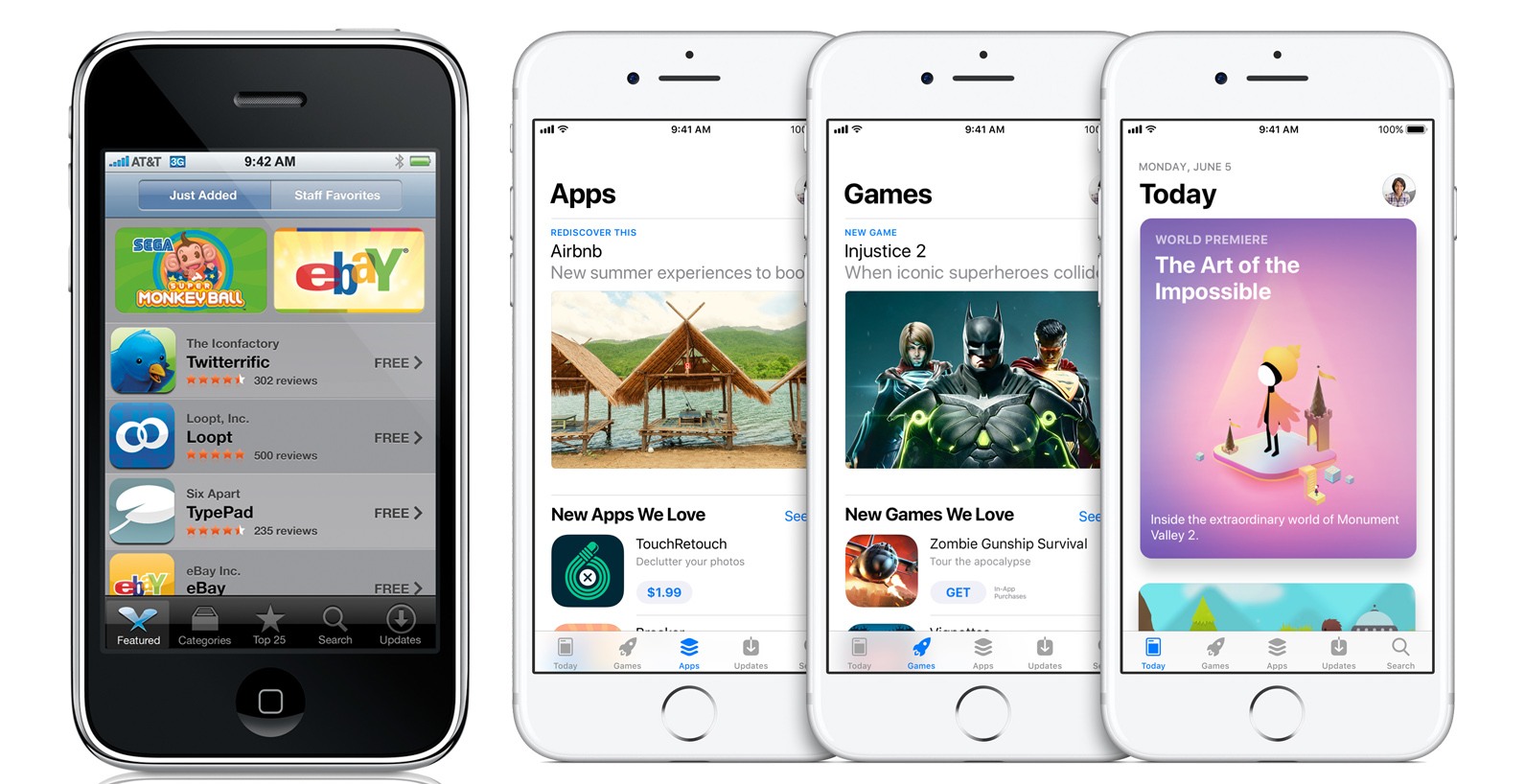
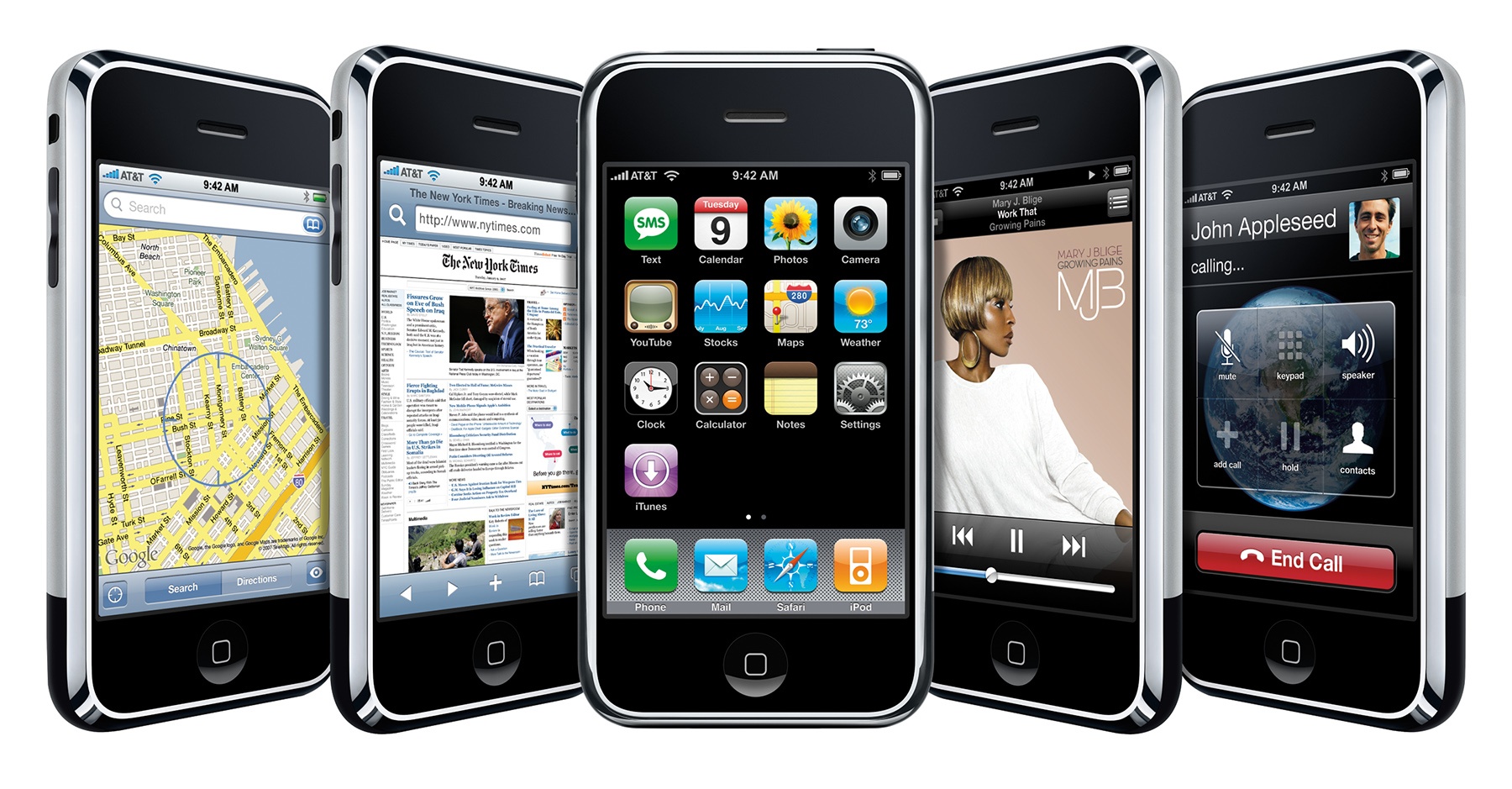
It’s hard to remember using an iPhone before the App Store. However, for the first year, the iPhone could only run the handful of apps that Apple created for it. Anything else required using mobile web apps in Safari.
On March 6, 2008, just nine months after the original iPhone went on sale, Steve Jobs and Scott Forstall announced that Apple would ship an SDK for third-party developers to write applications that could run natively on the iPhone, without the clumsiness inherent in web apps.
After Forstall took some time going through the details of the SDK, Steve Jobs came back on stage to answer a question that had no doubt been circulating the room:
How do you distribute software on a device like the iPhone?
The answer was an App Store.
Read more
[[stephen]] macOS Mojave is set to bring a lot of change to the Mac when it ships this fall. Dark Mode alters the entire look and feel of macOS, but Apple bringing four iOS apps to the Macis the start of what will prove to be a huge wave of incoming software titles to macOS....
Last month, we looked at the Power Mac G4 line, a series of computers that defined the professional workstation for OS X users for many years.
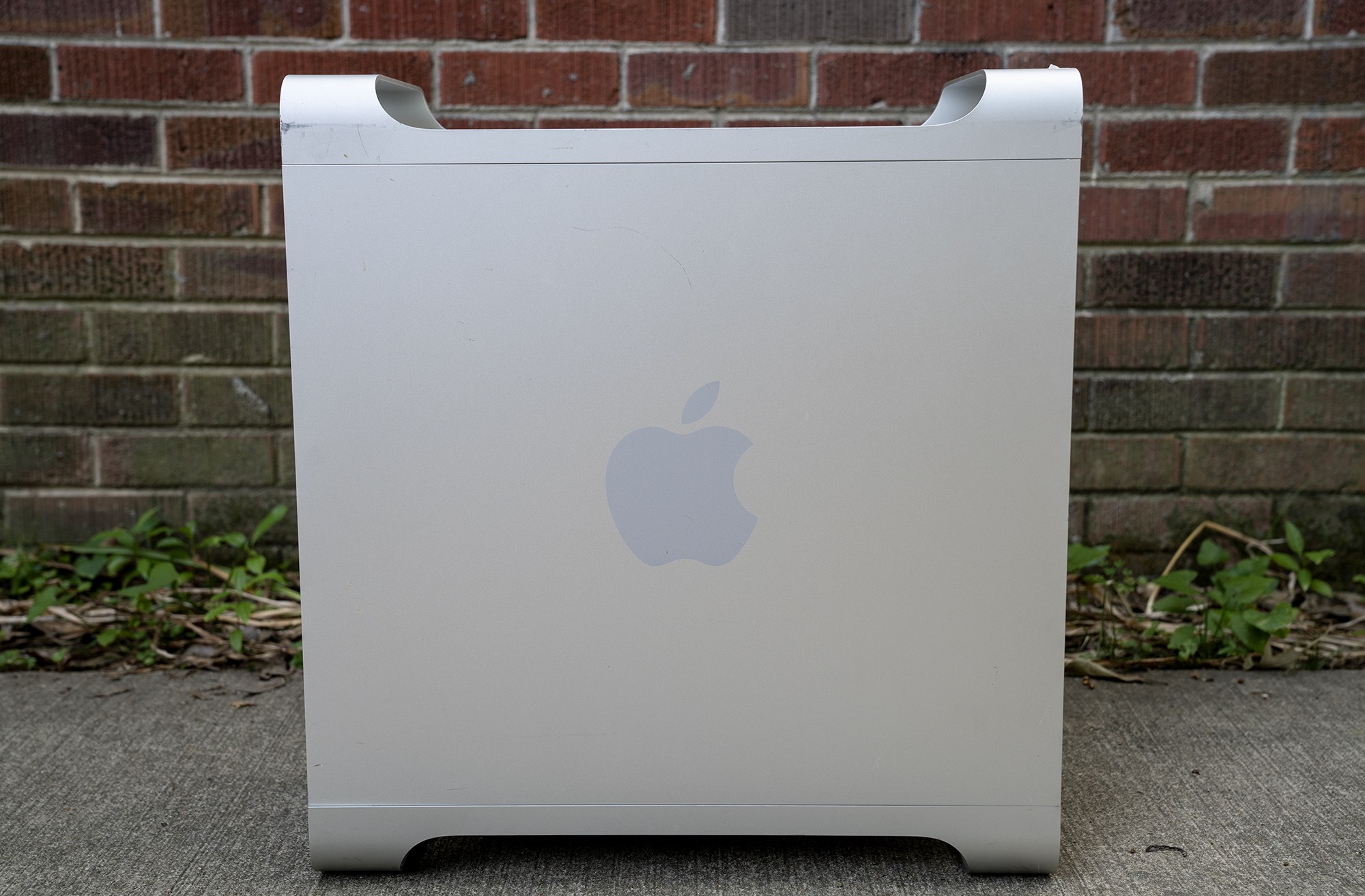
In June 2003 — 15 years ago this month — Steve Jobs took the wraps off its successor, the Power Mac G5.
Read more
[[stephen]] WWDC is just around the corner, so it is time to think about our hopes and dreams for Apple’s software. Doing so for macOS is always hard. It’s a more mature operating system than iOS, and one that serves a very wide range of customers. Some use it to check their email and Facebook,...
The tower form factor may be a thing of the past, at least until the new Mac Pro shows up next year, but for years, if you needed the most powerful and flexible machine money could buy, the Power Mac was the only way to go.
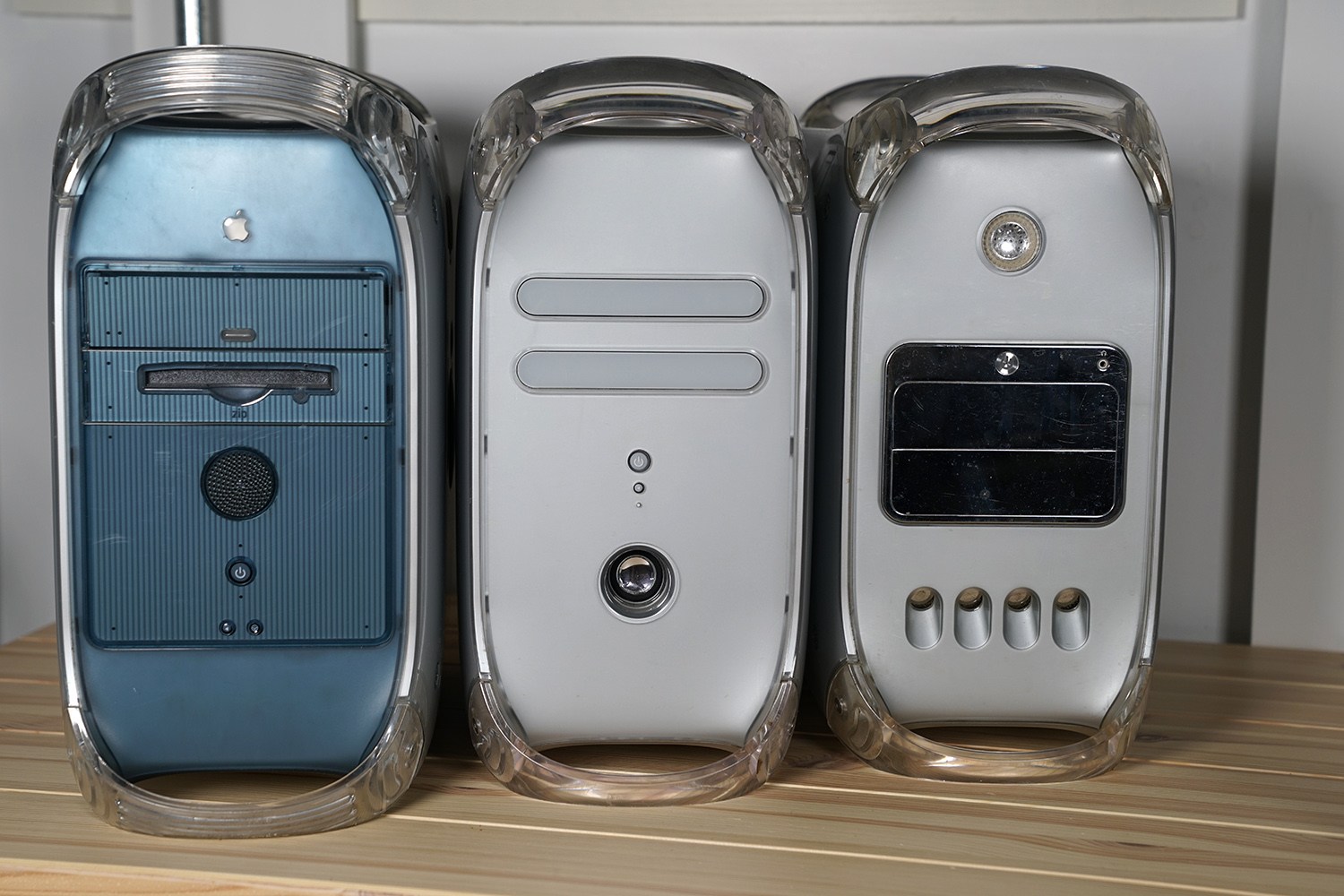
For almost five years, the heart of the Power Mac was the PowerPC G4 chip. Starting in 1999 it clocked at just 350 MHz, but by the time the Power Mac G4 line was retired, a tower with dual 1.42 GHz CPUs could be ordered. In that time frame, things like Gigabit Ethernet, SuperDrives, and Wi-Fi became mainstream.
The Power Mac G4 came in three distinct cases over the years it was available. Each style of machine saw several revisions while in service, bringing the total number of models to 10. That’s a lot of computers to cover, so let’s get started.
Read more
[[stephen]] Our modern world of subscriptions is giving app developers more sustained revenue to keep working on their products. While I was initially worried about subscription fatigue, I’ve ended up supporting a handful of apps at the core of my workflow and feel good about it. In a helpful move, Apple alerts you via email...
This year marks the 20th anniversary of the iMac, the all-in-one that saved Apple and radically changed the consumer technology landscape.
Any nerd in their 20s or 30s probably remembers seeing one those colorful, curvy iMacs in school growing up. Their friendly design and relatively low cost – for a 90s Mac, at least – made them a staple in education for years.
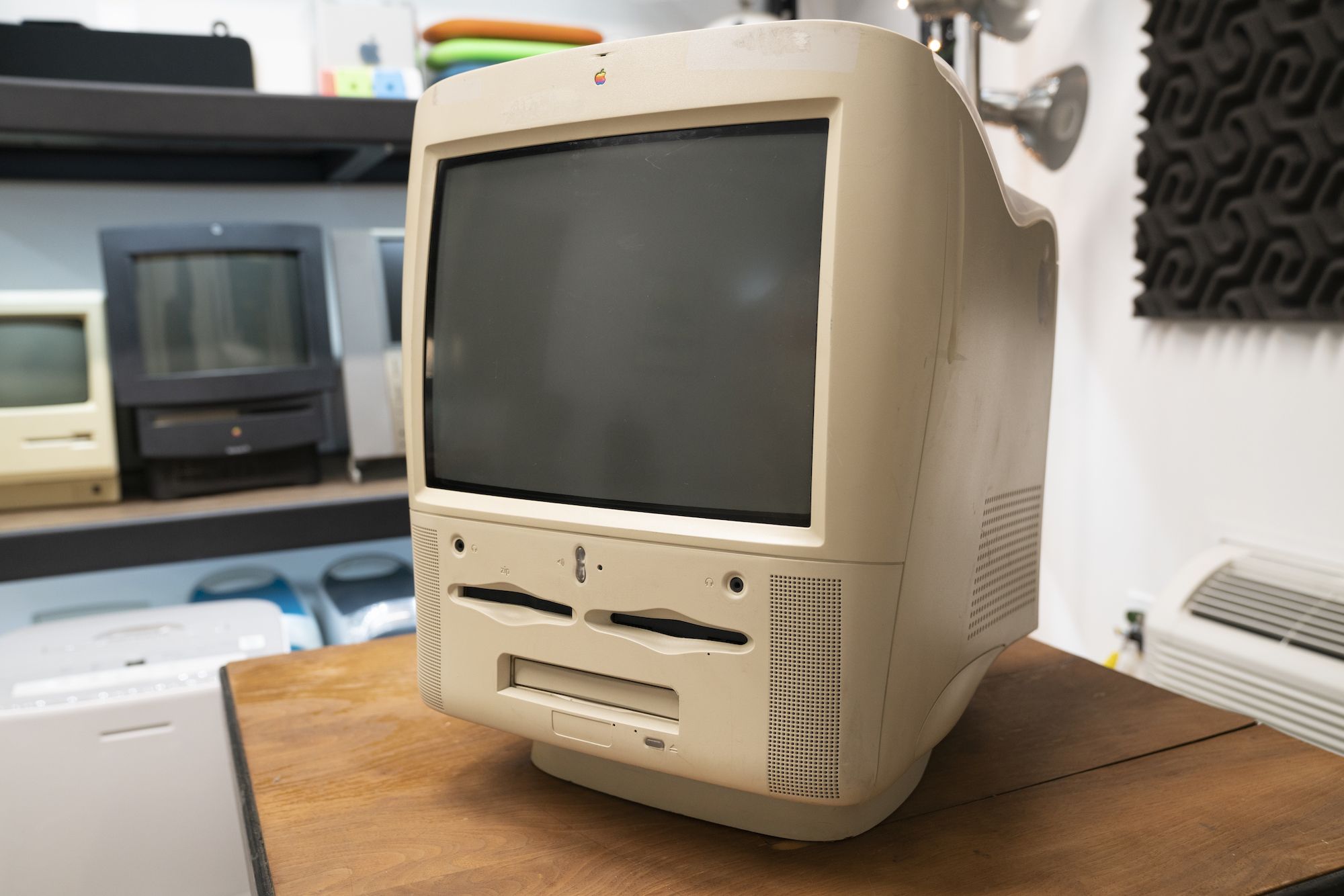
I certainly saw and used my fair share of them in middle and high school, but I also got to experience the iMac G3’s weird older sibling, the Power Macintosh G3 All-in-One.
Yeah, the one that looks kind of like a big tooth.
Read more
[[stephen]] At its education event in Chicago, Apple unveiled the “Everyone Can Create” program, a new curriculum for students to use video, photography, music, and drawing to communicate. It comes with resources for teachers to incorporate these elements into their lessons and assignments. The curriculum samples in iBooks are part how-to guide, part inspiration for...
As noted by Craig Hockenberry, it has been a full decade since Apple shipped the first version of the iPhone SDK to developers.
It’s hard to remember today that, in the beginning, the iPhone didn’t have third-party apps. It came with a handful of built-in apps written by Apple for things like checking stocks and the weather, jotting down quick notes, making calendar events and reviewing contact information.
These apps were, for the most part, self-contained. The rich environment we enjoy on iOS today where apps can share lots of data with each other just wasn’t present in 2007.
The outlier in this paradigm was Safari, which put the Internet — or at least the parts that didn’t require Flash — in the palm of our hands.
Read more