

[[stephen]] With the holidays firmly behind us, it’s time to start thinking about what the spring and summer may mean for Apple users. As the resident Mac user in this crowd of iPad lovers, I’ve been considering what Apple could do with the platform in 2018. This is not a wishlist. A wishlist is wide...
A History of the Xserve: Apple’s One Rack Wonder
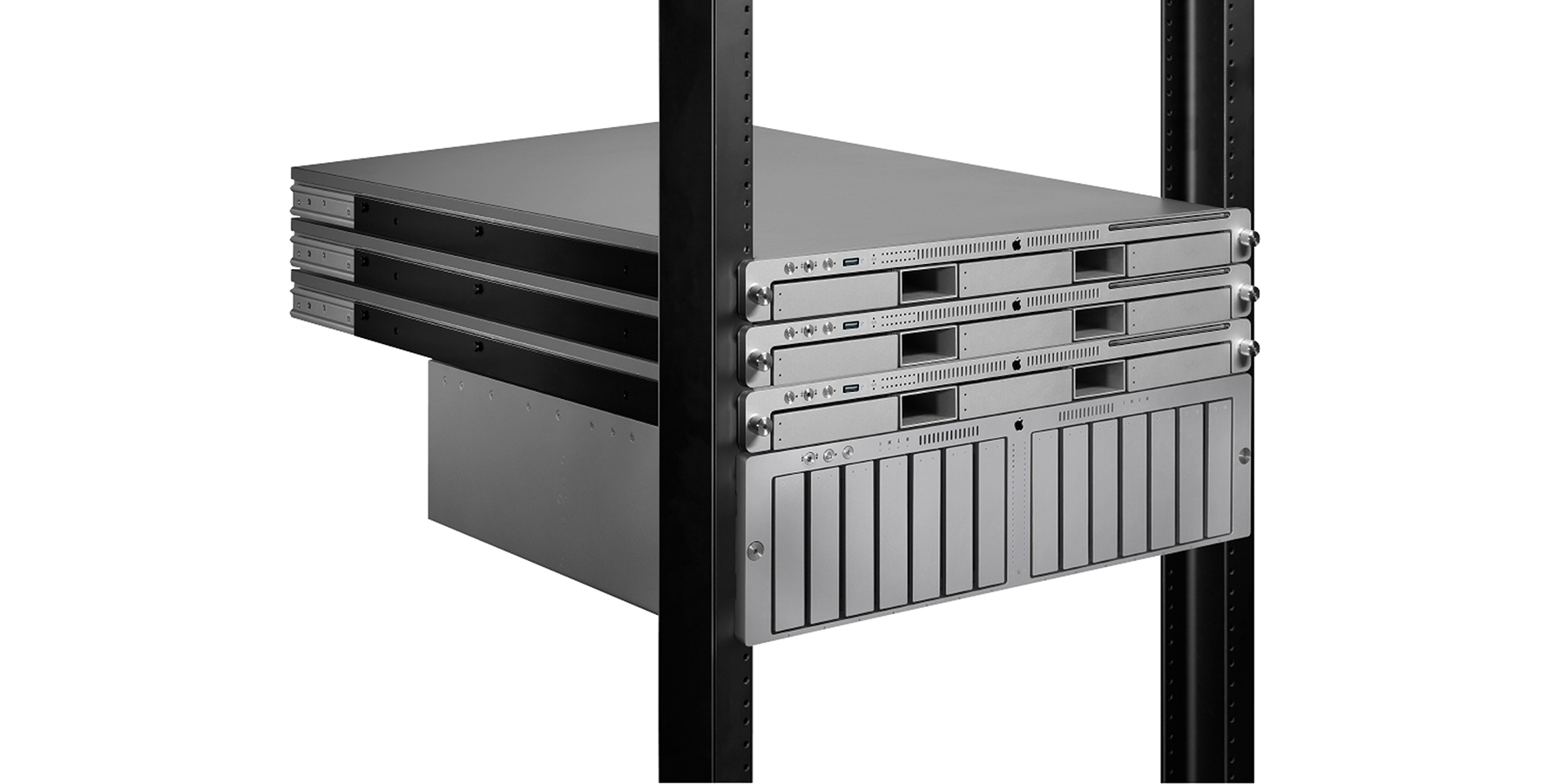
Within the next few months, macOS Server as we know it today will be going away, with many of its services being deprecated. Things like hosting calendars, contacts, email and wikis are going away as Apple focuses the product on “management of computers, devices, and storage on your network.”
This shouldn’t come as a surprise. macOS Server has been languishing for years, with many of its most common features being integrated into the mainstream version of macOS.
For fans of macOS Server, this just another in a long string of disappointments over the years. But none of them were as big as the cancellation of the Xserve, Apple’s rack-mountable 1U server, back in January 2011.
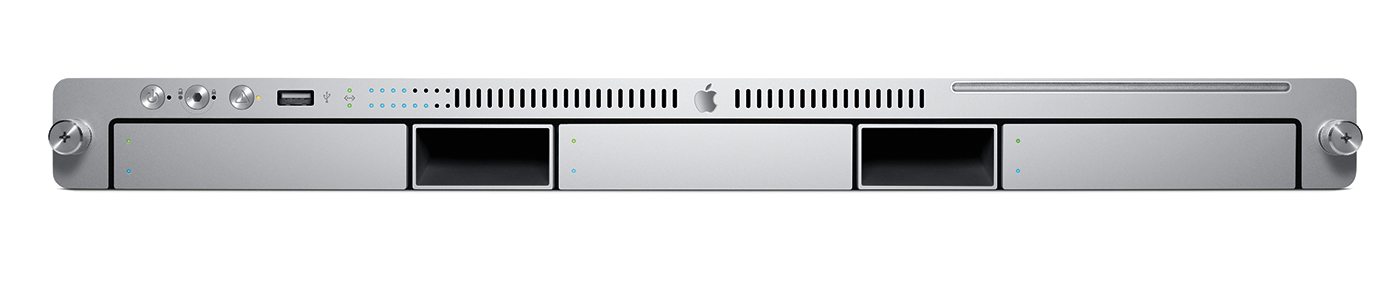
Running the risk of reopening old wounds, let’s look back at this unusual product and its nine year lifespan.
 The Current State of the MacBook Air
[[stephen]] This month on the site, I wrote about the original MacBook Air, and how the template it created spawned a whole new era of notebooks, and not just machines from Apple. The original MacBook Air was expensive, slow, and ran hot, but in the fall of 2010, all of that changed. At its “Back...
The MacBook Air: A Decade’s Worth of Legacy
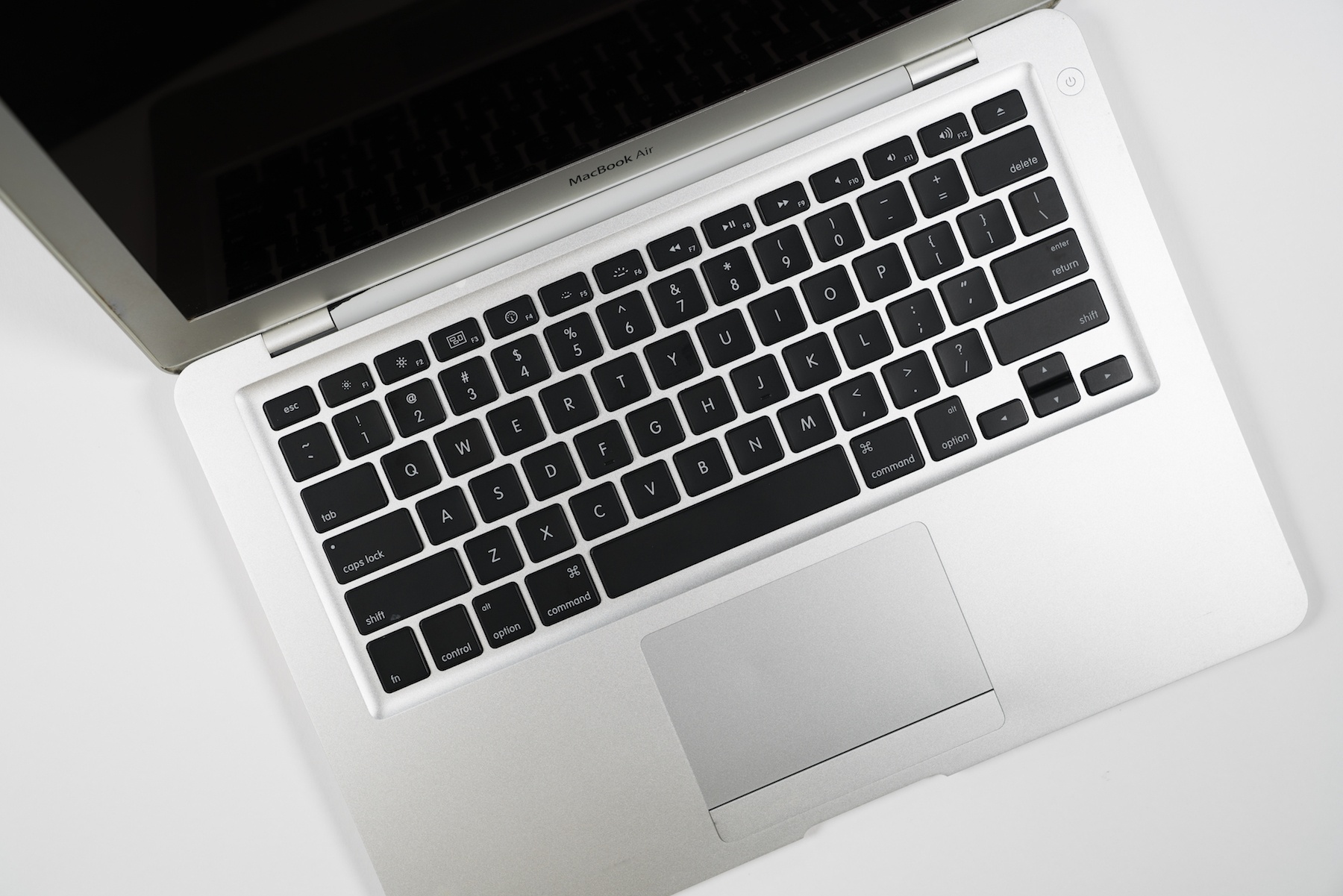
Today, all of our notebooks are thin and light. We’ve traded our optical drives in for a series of dongles and our spinning hard drives for fast, silent SSDs.
It wasn’t always like this. Once upon a time, notebooks had optical drives and a full array of ports, complemented by features like removable batteries.
A decade ago, we entered the current era of notebook design when Steve Jobs pulled the future out of an envelope.
Missing Mac Apps
[[stephen]] The Mac may have served as host for Apple’s first-party software for a long time, but in recent years, that has shifted. Things like the iWork suite, Photo Booth, and even GarageBand started on the Mac, but found new life on iOS. Some apps – like Maps, Reminders, and iBooks – started on iOS...
The Lisa
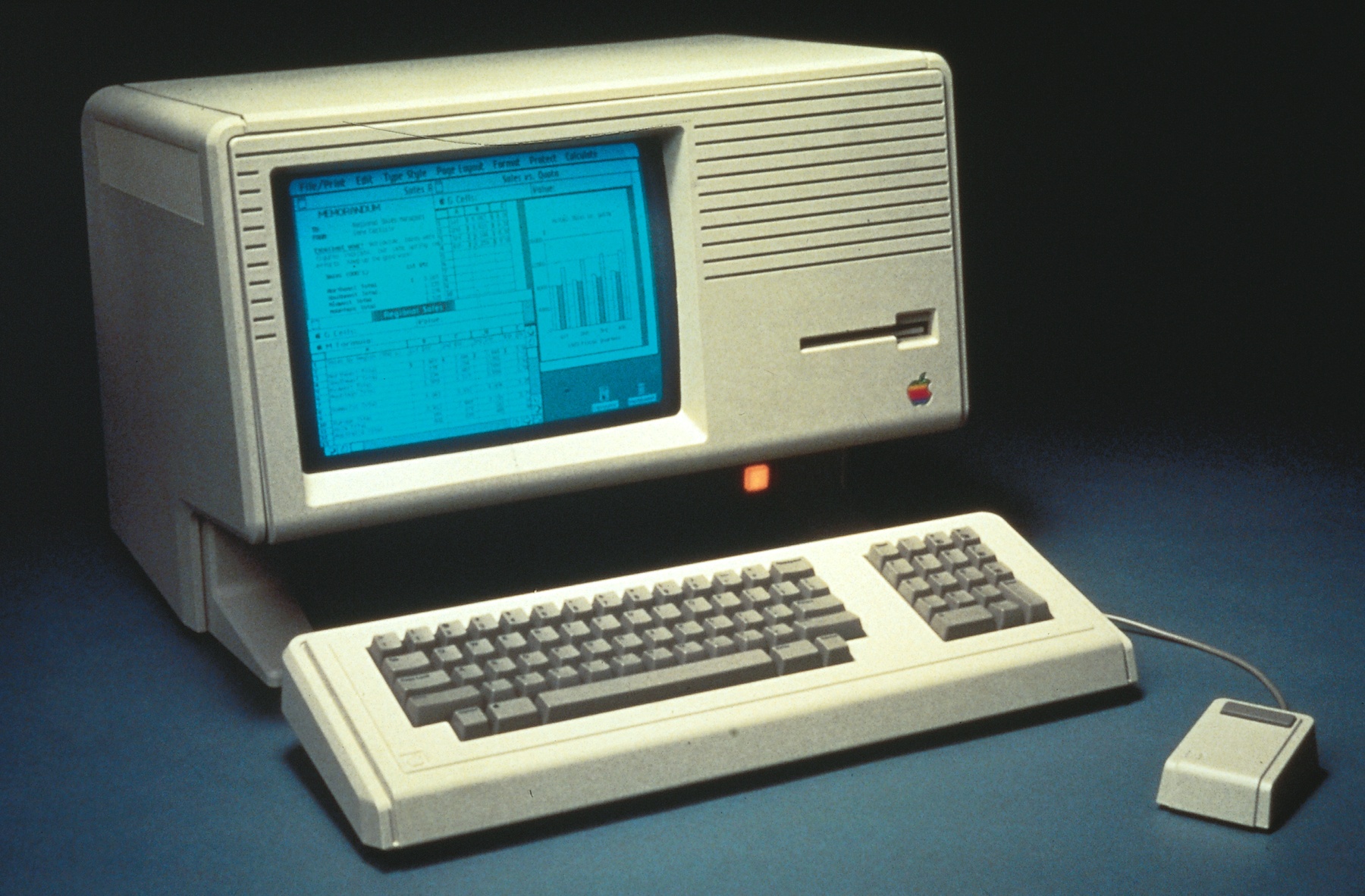
When thinking about the earliest days of Apple, it’s easy to recall the Apple I, the Apple II line and the Macintosh. However, there’s one more computer that defined Apple’s early years. This computer was ground-breaking but incredibly expensive, and exposed many things wrong within Apple itself.
The Lisa launched 35 years ago next month. Today, it is mostly considered as a precursor to Mac. While that is true, it doesn’t come close to doing this computer justice.
Comfort with Tech
[[stephen]] Last month, I wrote about my experimentation with an older MacBook Pro. That situation has become permanent; by iMac and my notebook are now both from 2015. I won’t retread over the same ground about the MacBook Pro, but the whole ordeal has me thinking about how I approach my work, and the tools...
The Original Apple TV: Ushering in a New Era of Entertainment
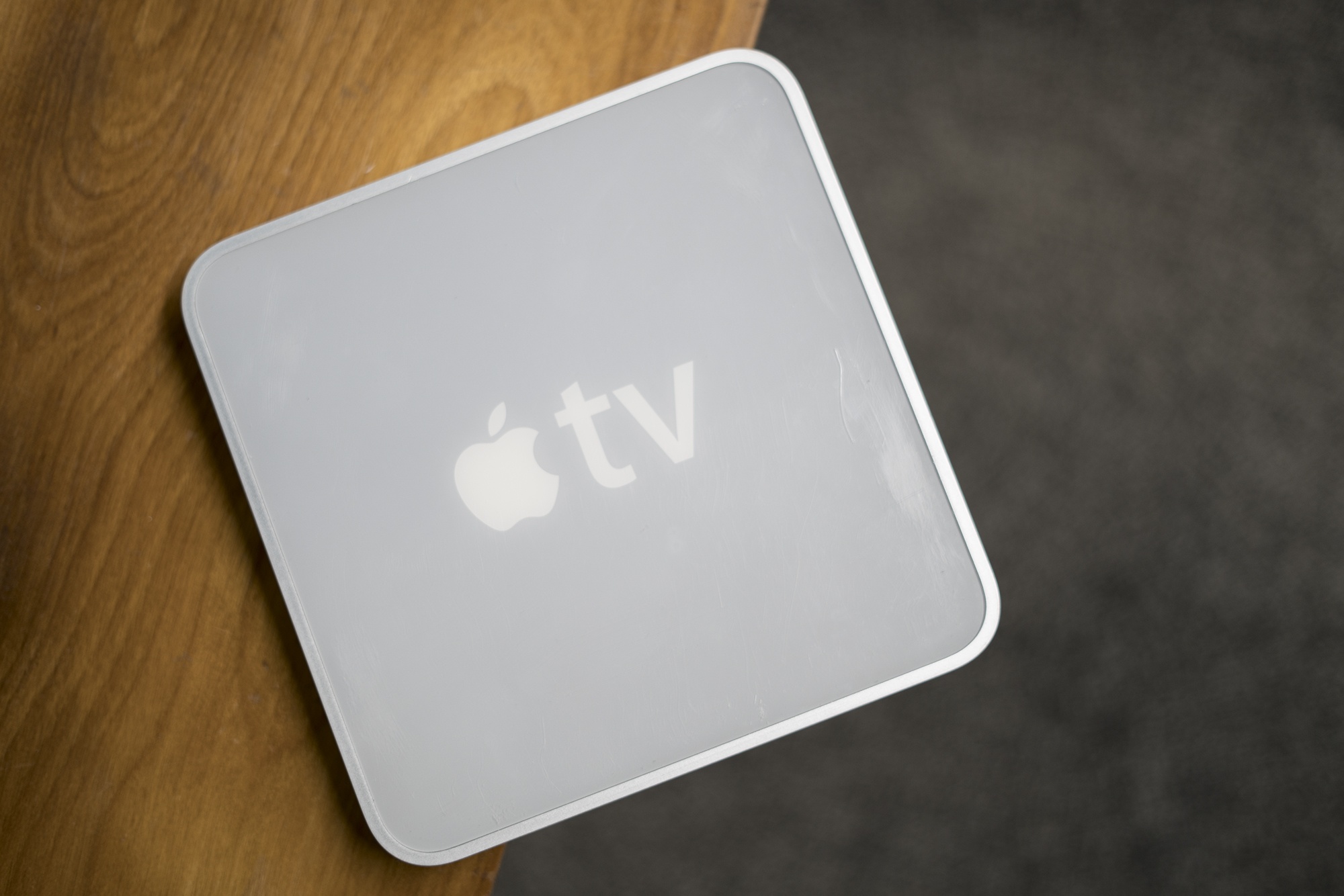
Today’s Apple TV is its own full-fledged platform. While it is more expensive and less popular than other some other media streamers, the Apple TV has come into its own. The current device can stream 4K HDR content, play games and even be used as a calculator.
The original Apple TV didn’t enjoy such a wide feature set, and it wasn’t treated as a full-blown product by the company, which repeatedly talked about it as a “hobby.”
To understand that attitude, I think it’s important to go back to when Steve Jobs first previewed the device in September 2006.
Rethinking My MacBook Pro
[[stephen]] While my main computer is a Late 2015 iMac with 5K Retina display, I also have a 13-inch MacBook Pro for when I need to work out of the office. This includes locations ranging from my living room couch to WWDC every summer. My MacBook Pro is a Late 2016 13-inch Touch Bar model,...